Designing Effective and Personalized Speech Therapy Plans
Understanding the Importance of Personalized Speech Therapy
Why Personalized Speech Therapy Is Crucial for Children’s Development
Personalized speech therapy tailors interventions to each child’s unique communication needs, enabling more effective progress. Children face diverse challenges — from speech sound disorders and childhood apraxia to language comprehension issues and feeding difficulties. A one-size-fits-all approach often misses these nuances. Experienced therapists create therapy plans that reflect individual abilities, interests, and family goals, promoting real-world communication skills and confidence.
Overview of Speech, Language, and Feeding Challenges in Pediatrics
Children may experience various speech and language disorders such as articulation problems, stuttering, or social communication challenges related to conditions like autism spectrum disorder (ASD). Feeding and swallowing difficulties also impact development and nutrition. These disorders can affect expressive and receptive language, impacting learning and social interactions. Recognizing specific needs is the first step toward tailored, effective therapy.
Benefits of Early Intervention and Individualized Care
Starting therapy early—ideally before age 5—and personalizing treatment plans maximizes success. Early intervention helps children develop foundational language and communication skills, which supports better academic and social outcomes. Individualized care ensures therapy fits the child’s developmental level and family situation. Engaging families and incorporating home activities enhance therapy benefits, fostering long-term improvements in speech, language, and feeding abilities.
How Do SLPs Create Effective Therapy Plans?
Comprehensive Services Offered by Pediatric Communication Solutions
What types of services does Pediatric Communication Solutions provide?
Pediatric Communication Solutions provides a broad spectrum of pediatric speech-language therapy Oklahoma City services specifically designed for children in Oklahoma City. Their services address speech, language development, feeding, and swallowing challenges.
The practice offers both direct therapy, where licensed speech-language pathologists in Oklahoma City work one-on-one with children to improve communication skills, and consultative therapy, which supports caregivers and teachers to enhance the child’s communication environment.
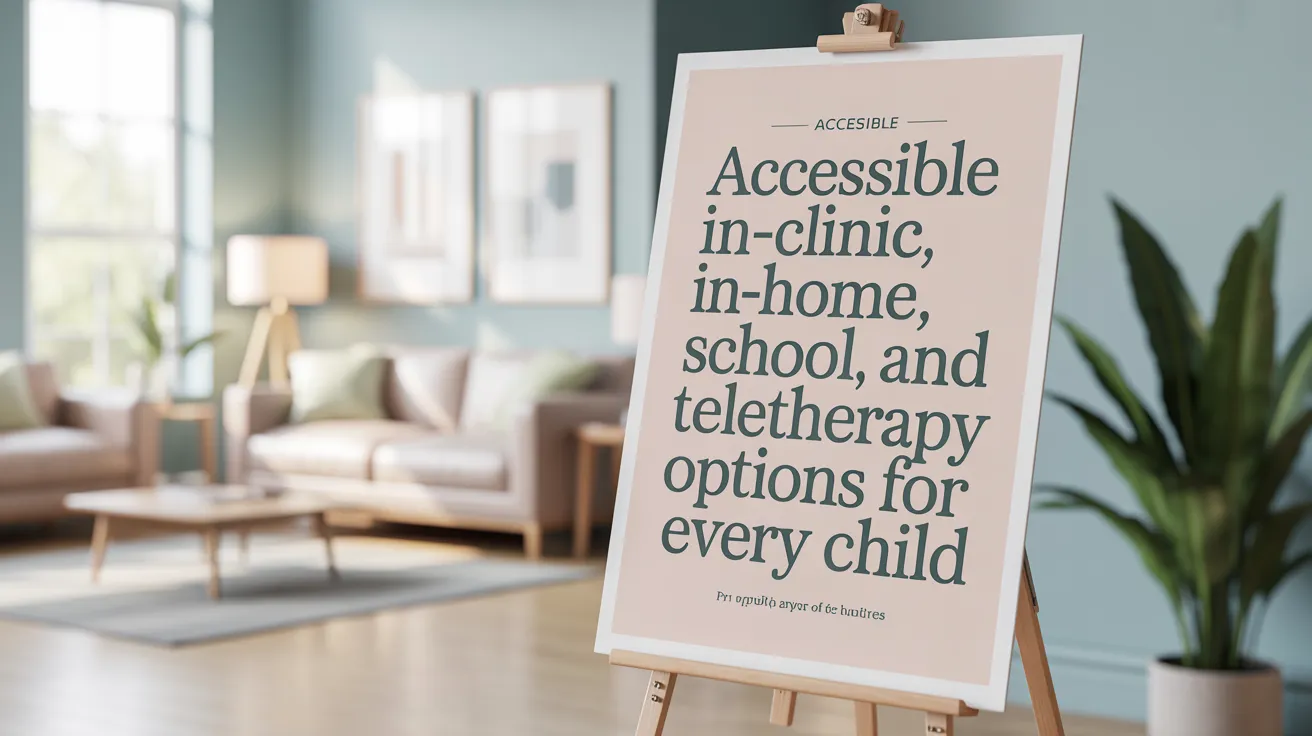
Therapy sessions are flexible and take place in various settings, including clinics, homes, schools, and through in-person and online speech therapy, ensuring accessibility and comfort for each child and family.
In collaboration with families and healthcare professionals, Pediatric Communication Solutions builds individualized treatment plans for children focused on boosting effective communication and supporting the child’s growth and learning in real-world communication skills scenarios.
Expert Specialized Staff Delivering Individualized Care
Qualifications and expertise of speech-language pathologists
Pediatric Communication Solutions is staffed by highly trained and licensed speech-language pathologists (SLPs) for children who specialize in pediatric care. These SLPs hold advanced degrees in speech-language pathology and have completed rigorous clinical training essential for assessing and treating a variety of pediatric communication disorders. Their licenses to practice in Oklahoma affirm their adherence to professional standards crucial for delivering high-quality pediatric speech-language therapy in Oklahoma City.
Role of licensed and certified SLPs in pediatric therapy
Licensed and certified SLPs at Pediatric Communication Solutions provide expert evaluation and individualized treatment plans tailored to each child’s unique needs. They address speech, language, social communication, and swallowing disorders with evidence-based interventions. These professionals also emphasize patient-centered speech therapy philosophy, guiding parents and caregivers to actively support their child’s communication growth through at-home speech therapy activities and ongoing involvement.
Collaborative interdisciplinary team approach
The staff works closely with medical specialists and other healthcare professionals forming a collaborative therapy approach. This approach ensures a comprehensive understanding of each child’s medical history and developmental needs, contributing to a holistic treatment strategy. Coordination with specialists enhances therapy outcomes by integrating medical insights with speech-language interventions, ultimately supporting children’s overall communication, learning, and feeding development in a compassionate and professional environment.
Serving Children Across Developmental Stages with Tailored Plans

What age group does Pediatric Communication Solutions serve?
Pediatric Communication Solutions provides specialized therapy services for children from birth through 18 years. Their approach recognizes the unique communication needs at each developmental stage, from infancy and toddlerhood to adolescence. Early detection and intervention are prioritized to address speech, language, feeding, and learning challenges effectively.
Common speech and language disorders addressed
The clinic addresses a wide spectrum of disorders including Childhood Apraxia of Speech, Dysarthria, stuttering, expressive and receptive language delays, and communication difficulties associated with autism spectrum disorder and other developmental conditions. Feeding and swallowing disorders are also treated, recognizing their impact on overall growth.
Importance of early identification and intervention
Identifying speech and language disorders early, sometimes as young as 18 months, allows for timely therapy that can significantly improve outcomes. Early intervention supports the development of foundational communication skills essential for social interaction and academic success.
Developmentally appropriate therapy goals
Therapy plans are carefully tailored to match each child’s age and developmental level. For infants and toddlers, goals might focus on foundational sounds and early vocabulary, while school-aged children work on more complex language structures, social communication, and fluency. Adolescents receive support geared toward refining communication for academic, social, and practical daily use.
By collaborating with families, schools, and healthcare providers, Pediatric Communication Solutions ensures individualized therapy that promotes confidence and skill development across childhood and adolescence, fostering meaningful communication throughout their clients’ growth.
Collaborative Multidisciplinary Approach Enhances Therapy Outcomes

How does Pediatric Communication Solutions collaborate with other medical specialists?
Pediatric Communication Solutions adopts an interprofessional practice (IPP) framework that fosters close collaboration with medical specialists and other health and education professionals. This approach encourages comprehensive and coordinated assessment and treatment planning, where the viewpoints of all team members, including families and caregivers, are integrated.
The practice partners with experts in augmentative and alternative communication (AAC) for children, medical specialists, and therapists across disciplines to provide holistic, personalized care. Such collaboration ensures that children’s communication, feeding, and learning difficulties are addressed through a combination of specialized knowledge and techniques.
Effective teamwork within Pediatric Communication Solutions is grounded in shared values, mutual respect, and clear communication pathways. These principles are reinforced through interprofessional education (IPE), which prepares all professionals to function effectively in multidisciplinary, interdisciplinary, and transdisciplinary models of care.
By embracing these team-based care models, the practice supports coordinated interventions that enhance outcomes. Multidisciplinary teams operate with separate discipline-specific roles, interdisciplinary teams share goals and planning processes, and transdisciplinary teams blur professional boundaries to work collaboratively for the child’s benefit. This flexibility allows Pediatric Communication Solutions to adapt care models based on each child’s unique needs.
Families and caregivers play a central role throughout therapy. Their involvement not only provides critical insight into the child’s daily communication challenges but also promotes consistent practice of therapeutic strategies at home. This partnership between professionals and families is essential for optimizing developmental progress and ensuring meaningful communication improvements in everyday life for children in Oklahoma City.
Incorporating Evidence-Based, Engaging Therapies for Lasting Impact
How is speech therapy personalized and made engaging for children?
Personalized speech therapy approach tailors treatment plans to each child’s unique speech and language needs. Therapy often integrates interactive activities like play, games, and storytelling to maintain the child’s interest and support natural communication development. These fun, real-world contexts help children build practical communication skills and boost their confidence in everyday interactions.
What role do play, games, and storytelling have in therapy?
Using play and storytelling transforms therapy sessions into enjoyable learning experiences. These approaches encourage children to express themselves, develop vocabulary, and practice speech sounds within meaningful contexts. Speech and language development activities also foster motivation and participation, which are critical for effective learning and progress.
How does flexible scheduling and teletherapy increase therapy accessibility?
Therapy providers in Oklahoma City offer flexible appointment times, including evenings and weekends, making it easier for families to attend sessions without disrupting daily routines. Additionally, teletherapy options allow children to receive specialized care remotely, which is especially beneficial for families facing travel or scheduling challenges.
Why is parent involvement and at-home practice important?
Parents play an essential role in reinforcing skills learned during therapy. Consistent at-home activities such as reading, singing, and interactive conversations extend practice beyond clinical sessions, promoting faster improvement. Therapists guide parents on effective techniques, ensuring the child’s communication growth continues in daily life. For more on the parent role and at-home techniques, see speech-language therapy for children.
How effective is speech therapy and what metrics indicate success?
Therapy success rates in pediatric populations generally range from 70% to 90%, reflecting significant improvements in speech, language, voice, and swallowing skills. Progress is measured through individualized goals and ongoing assessments, tailored to each child’s developmental stage and specific challenges.
How does insurance acceptance reduce barriers to accessing therapy?
Many local Oklahoma City clinics accept a wide range of insurance plans including Medicaid and Medicare. This acceptance reduces financial obstacles for families seeking speech therapy, enabling more children to benefit from timely and effective intervention.
| Aspect | Description | Benefit for Families |
|---|---|---|
| Personalized Therapy | Tailors plans to child’s speech needs | More effective, child-centered progress |
| Engaging Activities | Play, games, storytelling incorporated | Increased motivation and communication |
| Flexible Scheduling | Evening/weekend appointments, teletherapy | Convenience and increased access |
| Parent Involvement | At-home practice guided by therapists | Reinforces therapy gains outside sessions |
| Therapy Outcomes | 70-90% success rates reported | Measurable improvement in communication skills |
| Insurance Acceptance | Accepts various plans, Medicaid, Medicare | Lowers financial barriers to therapy access |
The Path Forward: Empowering Children Through Personalized Speech Therapy
Designing Effective Speech Therapy Plans
Effective speech therapy plans are built around thorough assessments that define each child’s unique communication needs. These plans focus on a child’s present abilities and establish realistic, measurable goals to promote steady progress in speech, language, and related skills. Successful intervention strategies often incorporate play-based and interactive activities to engage children actively and build practical communication skills that translate to daily life.
Individualized Care and Collaboration
Personalized therapy is essential, with speech-language pathologists tailoring approaches to fit each child’s specific challenges, whether articulation disorders, developmental delays, or complex neurological conditions. A collaborative approach includes therapists working closely with families and other health professionals to ensure consistency and reinforcement across environments. This teamwork strengthens outcomes and supports holistic development.
Encouraging Early Assessment and Intervention
Early identification of speech and language difficulties provides the best opportunity for positive outcomes. Families are encouraged to seek professional evaluation promptly when concerns arise. Early intervention not only improves communication skills but also nurtures confidence and social interaction, setting a foundation for lifelong success and well-being.