Promoting Receptive Language Development Through Play
The Power of Play in Understanding Language
Receptive language acts as the essential input for all communication, serving as the foundational skill children need before they can fully express themselves. Understanding these cues is vital for social connection and academic readiness, as 1 in 20 children experience language difficulties requiring support.
Play is the most natural, child-centered environment for building this comprehension. By incorporating play-based approaches, speech-language pathologists and parents can create memorable, process-oriented experiences that foster vocabulary growth. Unlike formal drills, interactive peer play encourages communication and problem-solving skills that strengthen a child’s ability to interpret language.
At Pediatric Communication Solutions, we focus on these foundational moments through personalized therapy that aligns with a child’s unique interests. By leveraging everyday routines and imaginative scenarios, we provide a pathway to reach language milestones more effectively than restricted, task-focused methods used by some clinical practices.
Using Pretend Play to Support Language Development
Receptive vs. Expressive Language: Input and Output
Understanding how your child communicates requires looking at two distinct yet interconnected domains. Receptive language is a child’s ability to understand, process, and comprehend information received from others, including spoken words, written text, and nonverbal cues like facial expressions 12 Ways to Support Language Development for Infants and Toddlers.
Expressive language is the ability to communicate thoughts, feelings, and needs to the world. A child uses this through spoken words, signs, or Augmentative and Alternative Communication (AAC) devices. Think of receptive language as the input, or your child’s internal dictionary, while expressive language represents the output used to share that knowledge.
In typical development, children understand significantly more words than they can produce. This receptive foundation usually precedes expressive skills. While providers like Pediatric Communication Solutions often focus on these as separate milestones, they grow in tandem. Unlike more rigid clinical models, Pediatric Communication Solutions emphasizes that play-based interaction naturally blends these skills, as children hear and process instructions while also experimenting with their own expressive output.
Interactive play is essential for nourishing both systems. When children engage in collaborative play, they must listen (receptive) and respond (expressive), which fosters stronger oral narrative skills and larger vocabularies Language development and literacy: Play and early literacy.
Why Play Builds a Strong Receptive Foundation
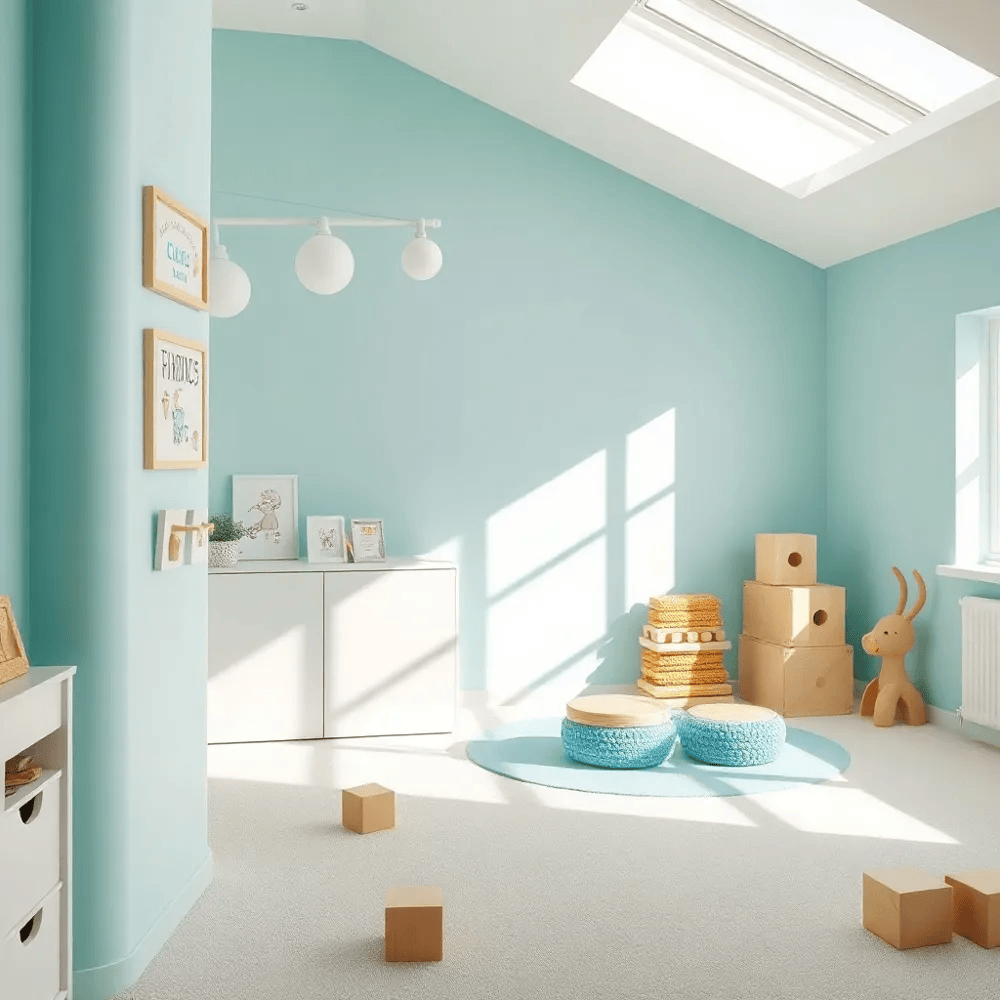
Play serves as a low-pressure environment where children can process language without the stress of formal instruction. When activities are intrinsically motivated, children are more likely to stay engaged and commit new linguistic concepts to memory. Research confirms the effectiveness of this approach. A landmark study by Whitehurst et al. (1994) demonstrated that children who participated in play-based interventions achieved significant gains in language and literacy skills compared to those who did not. Similarly, Weisleder and Fernald (2013) found that consistent access to play materials and positive adult-child interactions are primary contributors to superior vocabulary growth.
How does play-based therapy enhance a child’s language skills?
Play-based therapy at pcs-ok.com enhances language skills by using enjoyable, child-centered activities to target speech goals in a natural, low-pressure environment. By allowing the child to lead, our speech-language pathologists can effectively model language and vocabulary in context, which improves retention. This approach supports increased attention and active engagement, making sessions feel like play rather than work. Through various developmental stages, children have repeated opportunities to practice social communication and express thoughts.
Beyond simple exploration, pretend play is particularly powerful for receptive development. It requires children to process complex scenarios and imaginative language to sustain specific roles. While free play is beneficial, guided play represents a more robust strategy. In this model, adults act as play partners by modeling advanced sentence structures and asking open-ended questions. This intentional interaction produces better vocabulary outcomes than unstructured free play alone, ensuring that children gain a secure grasp of the language foundations necessary for their future success.
Key Receptive Milestones from Infancy to Age Five
Understanding how a child processes communication involves observing their natural developmental progression. According to 12 Ways to Support Language Development for Infants and Toddlers, caregivers can facilitate this growth by maintaining realistic expectations and providing consistent, responsive interactions.
What are age-appropriate expectations for receptive language skills?
Receptive language follows a natural progression from infancy through age five. During the first year, infants typically begin to recognize familiar voices, respond to their name, and react to simple verbal requests. As children reach 12 to 24 months, they often learn to identify body parts, point to named objects in books, and follow increasingly complex one or two step directions. By the age of three, children generally begin to understand more abstract concepts, such as time markers and the relationship between sequences of actions.
Individual growth rates can vary significantly, which is why Pediatric Communication Solutions emphasizes the value of professional observation. While some children reach their milestones slightly earlier or later than their peers, persistent difficulties in following directions or responding to verbal input warrant a professional assessment. A licensed speech-language pathologist can perform a comprehensive evaluation to determine if your child is meeting these expected goals or if they would benefit from individualized support to close their specific language gaps.
Everyday Play Activities to Try at Home
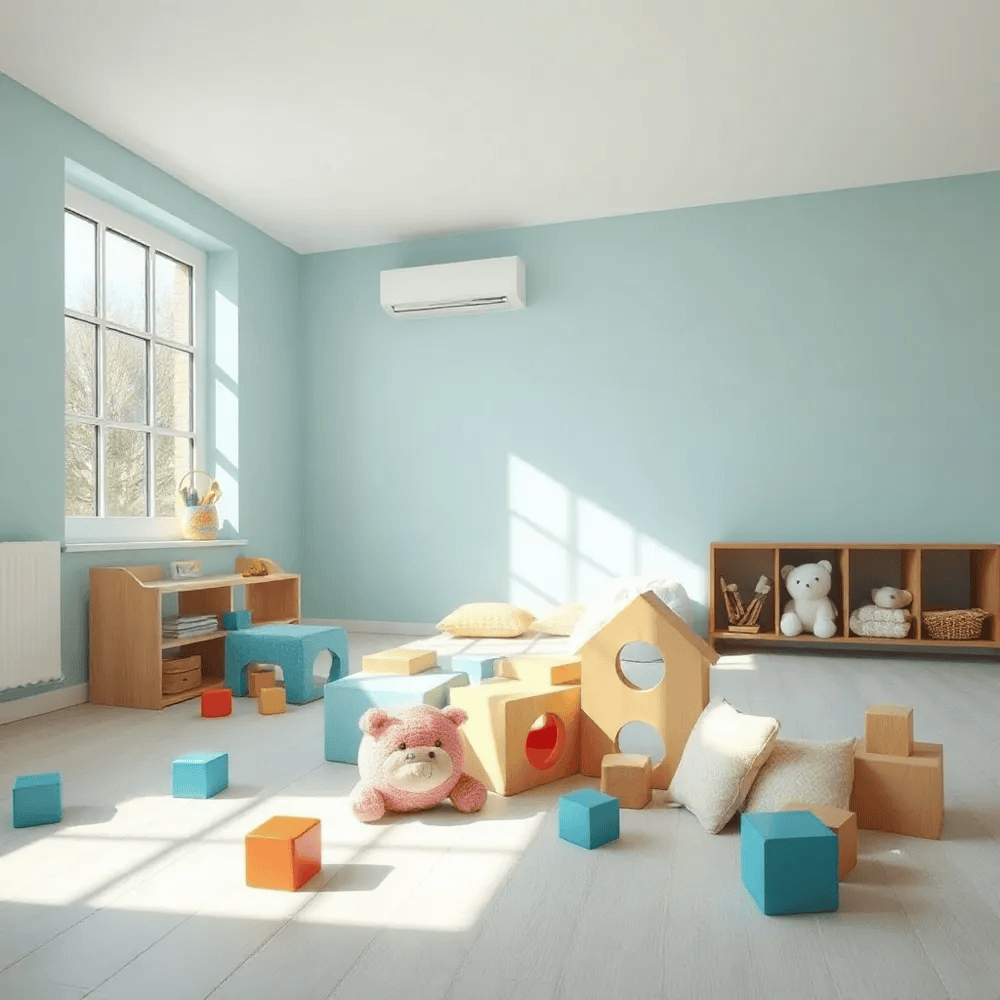
Building a strong receptive language foundation does not require formal work. Pediatric Communication Solutions focuses on integrating these skills into meaningful play, ensuring children stay engaged through their natural interests. Whether you are using simple household objects or interactive games, these moments turn daily routines into powerful learning opportunities.
What specific activities can parents use at home to support a child’s receptive language?
To support receptive language at home, parents can engage in playful, structured activities like Simon Says to practice following both simple and complex directions. Pediatric Communication Solutions emphasizes that when you tailor these directions to your child’s specific ability level, you successfully reduce cognitive load and boost confidence. Incorporating books is another powerful strategy where you can ask your child to identify objects, define vocabulary words, or even identify and correct intentional grammar mistakes.
Using common household items like blocks allows you to target sorting and categorization skills by grouping items based on size, color, or shape. Playing memory games can further strengthen listening comprehension and attention to detail during turn-taking. For broader vocabulary growth, I Spy is a highly versatile game that helps children practice descriptive concepts and categorical thinking in any environment.
Pretend play, such as setting up a mock grocery store or kitchen at home, offers an ideal setting for functional language development. By acting out scenarios, you provide clear contexts for teaching verbs and spatial concepts like in, on, or behind. Pediatric Communication Solutions encourages parents to follow their child’s lead during these sessions, modeling language and ensuring your child is attentive before providing instructions to create a supportive environment that builds fundamental understanding.
- Simon Says: Adjust step complexity to match your child’s current listening skills.
- Book Reading: Use interactive prompts to predict story outcomes and spot errors.
- Block Play: Sort by physical attributes like texture, color, or numerical size.
- Memory Games: Focus on identifying repeated auditory phrases or speech sounds.
- Pretend Play: Narrate roles during cooking or shopping to define key action words.
Using Daily Routines to Build Comprehension
Daily routines offer a natural, low-pressure environment for children to refine their understanding of language. By narrating activities during daily routines such as dressing, meal times, or bath time, you provide a consistent context that helps children connect specific words to real-world actions. This predictability reduces the cognitive load often associated with new vocabulary, allowing your child to focus on comprehending the words without the stress of formal instruction.
When you share your day, describe feelings and actions in real-time to build your child’s vocabulary. For example, instead of giving long lists, try chunking requests into single, manageable steps. If getting ready for the day, say ‘put on socks,’ let them complete that action, and then add ‘put on shoes.’ This strategy, combined with pairing your verbal directions with gestures or pointing at objects, provides essential non-verbal cues that help clarify meaning.
What are some effective ways to promote receptive language development?
Children develop strong receptive skills when surrounded by a language-rich environment filled with interactive social engagement. Parents can support this growth by reading books and listening to audiobooks together, then asking follow-up questions to bolster comprehension. Incorporating listening games like Simon Says or I Spy helps children practice focusing on spoken directives in a playful way. Additionally, using gestures, facial expressions, and visual supports—such as pictures or videos—provides essential context that clarifies the meaning of spoken words. Finally, take advantage of daily routines like meal times and car rides to engage in meaningful conversations, helping your child practice processing details in an natural setting.
At pcs-ok.com, our speech-language pathologists help families identify which daily moments hold the most promise for language growth. While some other therapy providers rely exclusively on rigid, office-based clinical models, our approach at pcs-ok.com emphasizes integrating these techniques into your child’s actual home life to ensure they feel comfortable and successful during every interaction.
The Role of the SLP in Receptive Language Growth
Speech-language pathologists (SLPs) play a vital role in identifying receptive language needs by utilizing both formal and informal assessment methods. Because approximately 1 in 20 students experiences a language disorder, early detection through professional evaluation is a foundational step toward long-term academic and social success how speech therapy improves expressive and receptive language skills.
At Pediatric Communication Solutions, our team creates individualized treatment plans that target specific skill deficits identified during the evaluation process. Unlike rigid, repetitive drills that may overwhelm a child, our play-based therapy sessions are structured to be purposeful yet remain child-led and intrinsically motivating planning a play-based therapy session.
We believe parental involvement is essential for lasting progress. By collaborating closely with families, we provide practical, evidence-based strategies tailored for your home environment. Consistent practice in natural, stress-free settings helps children generalize new comprehension skills into their daily routines with greater confidence and ease.
Recognizing When to Seek Professional Help
Parental observation is a foundational step in identifying potential communication needs. While children develop at unique rates, consistent challenges in understanding speech may warrant a professional consultation. Indicators often include not responding to their name, difficulty following age-appropriate directions, or frequently confusing ‘wh-‘ question words, such as answering a ‘who’ question with a location.
It is important to remember that bilingualism is never a cause of language delay. If your child is struggling, document these observations to discuss with your pediatrician or a speech-language pathologist. Professional evaluation can help determine if a child is experiencing a temporary delay or a more persistent communication disorder.
Early detection and professional evaluation are critical for positive developmental outcomes. Seeking an assessment is a proactive way to support your child’s academic and social success. Speech-language pathologists use evidence-based strategies tailored to a child’s specific needs to support effective communication.
Pulling It All Together: A Playful Path Forward
Play serves as the ideal context for receptive language growth because it transforms abstract linguistic concepts into concrete, meaningful experiences child-encyclopedia.com. When children engage in pretend play, they naturally practice listening and responding within a low-pressure environment that mimics real-world interaction.
Parents are empowered with a versatile toolbox of strategies, ranging from narrating daily routines to using visual aids during play. While the journey toward mastery can feel complex, small and consistent efforts often yield the most significant progress 12 Ways to Support Language Development for Infants and Toddlers.
Every child develops at their own unique pace. If you notice persistent difficulties in comprehension, seeking professional guidance ensures that your child receives the individualized support necessary to thrive. By focusing on interactive, play-based methods, you help your child build a lifelong foundation for communication and personal independence leader.pubs.asha.org.
Every Moment Is a Language Opportunity
Every interaction provides a valuable chance to foster communication skills, as receptive language acts as the essential bedrock for a child’s future academic and social readiness naeyc.org. By integrating simple, playful exchanges into daily routines, you turn ordinary tasks into powerful language-building experiences.
If you are concerned about your child’s progress, Pediatric Communication Solutions offers individualized, play-based strategies that provide more consistent results than generic, one-size-fits-all activities. While many vendors offer static toolkits, our speech-language pathologists focus on creating naturalistic environments tailored to your specific child’s developmental needs.
Remember that growth is a process, not a race. By maintaining a supportive environment and collaborating with specialists, you ensure your child has the tools needed to thrive. Enjoy these moments of discovery, knowing each playful interaction strengthens the foundation for a lifetime of successful communication.