
Helping Toddlers With Delayed Speech Gain Confidence

Empowering Your Child During Their Communication Development Journey
View language acquisition as a marathon rather than a sprint. Children thrive when development occurs in a supportive, low-pressure environment where communication feels like a natural part of daily interaction. At Pediatric Communication Solutions, our teams focus on play-based strategies that respect the child’s pace while fostering meaningful functional gains.
Patience is a cornerstone of this journey. It is common for a child to need dozens of demonstrations before independently attempting a new skill. Research suggests that early intervention before age five significantly improves outcomes, making professional consultation a proactive step for your child’s long-term growth and confidence. Rather than waiting to see if a delay resolves on its own, engaging with a speech-language pathologist allows families to receive tailored guidance immediately.
By focusing on small, consistent goals within familiar routines, parents help build a foundation for lifelong communication success. Whether through narrating daily chores or utilizing specific play activities, these efforts do more than improve words, they build the self-esteem necessary for a child to interact confidently with the world around them.
7 TIPS TO HELP LATE TALKING TODDLERS FROM A …
Understanding Developmental Milestones and Potential Language Delays
Understanding how your child communicates is the first step toward effective support. A late talker is typically defined as a child whose expressive language skills develop more slowly than their peers, yet they often demonstrate age-appropriate abilities in other areas. While some children do catch up naturally, a formal speech-language evaluation is a proactive way for parents to ensure their child is on the right path.
What is the difference between a late talker and a speech or language delay?
The distinction often lies in the nature of development. A late talker may simply need more time, but a speech or language delay indicates a more persistent challenge that benefits from early intervention. Expert guidance from providers like Pediatric Communication Solutions can help distinguish between temporary delays and concerns requiring professional support. Rather than waiting for a child to catch up while they feel isolated or frustrated, families can use individualized, play-based strategies to close the gap early.
What are the common red flags for language development delays in toddlers?
Monitoring developmental milestones provides a clear view of your child’s progress. At 12 months, a lack of gestures like pointing or waving is a potential indicator. By 18 months, children should begin to imitate sounds and vocalize, rather than relying exclusively on nonverbal cues. At age 2, struggles with following simple directions or a limited vocabulary can signal that it is time for a professional speech-language pathologist to assess receptive and expressive language skills.
- Lack of consistent babbling or first words at expected ages.
- Frustration when attempting to share needs or communicate.
- Difficulty following simple, everyday directions.
- Sudden loss of previously acquired speech or language skills.
- Limited interest in social interaction or symbolic play.
Distinguishing Between Speech Delays and Broader Developmental Concerns
Distinguishing between a speech delay and autism requires looking beyond a child’s verbal output to their broader social communication patterns. While children with isolated speech delays often use gestures, maintain strong eye contact, and engage in imaginative play to connect with others, children on the autism spectrum may struggle with these nonverbal social interactions. Autism also frequently involves repetitive behaviors, unique sensory sensitivities, or challenges with joint attention alongside communication goals.
Because these clinical presentations can overlap and look similar in toddlers, it is essential to avoid self-diagnosis. A visit to a professional, such as the specialists at Pediatric Communication Solutions, provides a comprehensive evaluation to identify the specific cause of the delay rather than guessing based on general symptoms. While some providers may offer rigid protocols, here at pcs-ok.com, we emphasize a play-based approach that addresses both communication and developmental needs simultaneously.
Seeking expert insight early is a proactive step, as children who begin speech-language therapy before age 5 typically achieve better outcomes. Whether the challenge is an isolated articulation issue or requires a broader developmental assessment, an accurate diagnosis ensures you receive a personalized support plan tailored to your child’s individual growth. You can learn more about helping toddlers with delayed speech by scheduling a consultation where the focus remains on your child’s specific developmental milestones.
Collaborating with Experts for Professional Speech Therapy

Pediatric speech-language therapy is a clinical service provided by licensed speech-language pathologists (SLPs) to support children with challenges in expressive and receptive language, articulation, social communication, voice, fluency, and feeding or swallowing. Parents should seek professional support if they notice significant developmental red flags, such as their child not meeting age-appropriate communication milestones, consistently struggling to express needs, or being difficult for others to understand.
Early intervention is essential, as addressing these concerns promptly can prevent frustration or secondary behavioral issues and provide the best opportunity for long-term progress. Pediatric Communication Solutions recognizes that the brain is most plastic in the first three to five years of life, making this period the ideal window for professional support. While some local clinic providers may require a lengthy referral process, our team emphasizes timely access to high-quality care to ensure children receive the support they need when it matters most.
What to expect during a professional clinical evaluation
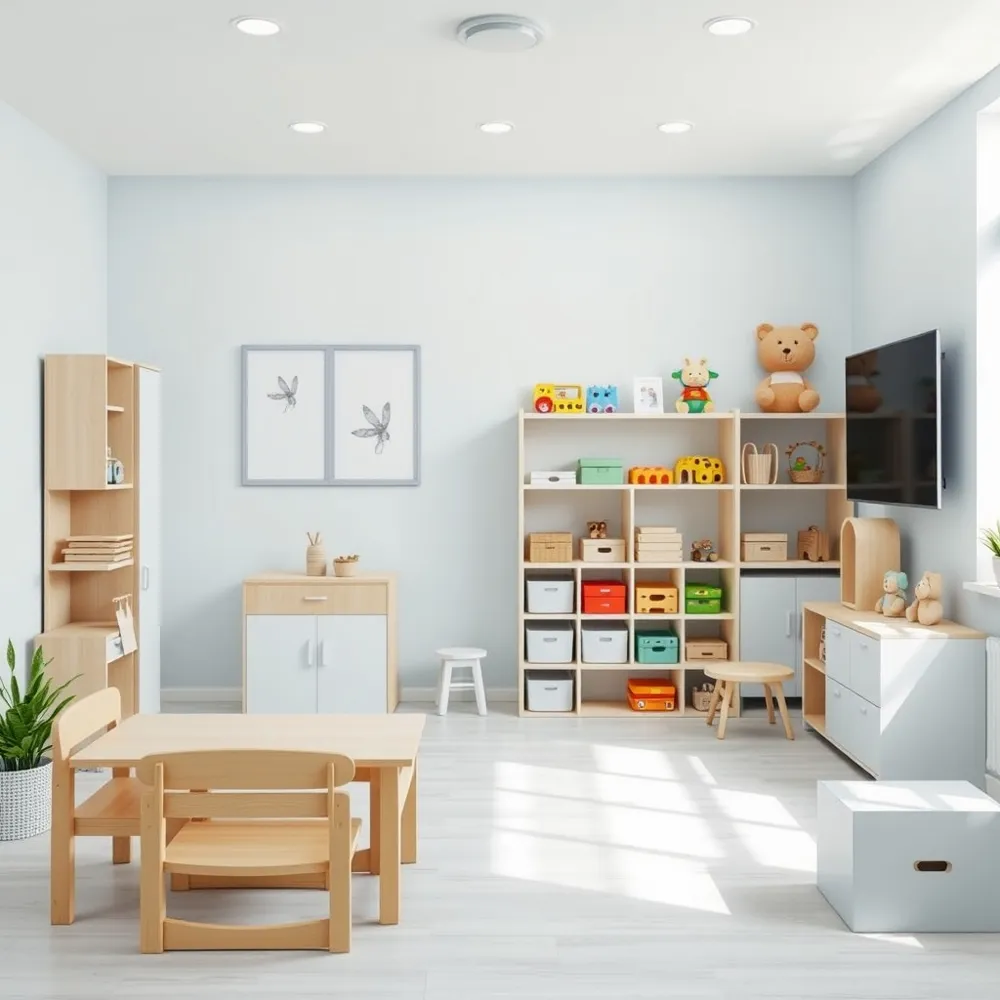
During an initial evaluation, therapists use play-based assessments and clinical tools to identify specific needs and create a customized plan. This approach allows the therapist to observe how the child interacts, follows directions, and uses language in a natural, low-pressure environment. By identifying these unique needs, providers can establish clear, measurable goals that guide the therapeutic process.
If you are concerned about your child’s ability to communicate, interact, or eat safely, scheduling an evaluation is a proactive and supportive first step toward helping them thrive. When comparing options, consider how Pediatric Communication Solutions prioritizes individualized care over the one-size-fits-all models often found at larger, corporate-run practices. Our focus remains on the specific, evidence-based interventions that reflect your child’s current developmental phase.
Practical Strategies for Boosting Communication at Home
Parents are vital partners in their child’s communication journey by creating a language-rich environment through daily routines, such as narrating activities and reading together. At pcs-ok.com, we emphasize that you can effectively bridge language gaps by simplifying your sentences, using consistent modeling, and offering the child two simple choices to encourage interaction. Integrating non-verbal supports like basic sign language or visual aids can reduce frustration, while interactive play teaches essential social concepts like turn-taking per Helping Toddlers Expand Language Skills. Most importantly, pause mid-activity to give your child time to respond and always expand upon their efforts to help them build more complex language.
How can I support my child’s communication development at home?
The foundation of progress at home relies on embedding learning into existing daily routines. By using sportscasting, or narrating your child’s actions as they happen, you provide a model for expressive language without creating the pressure of a formal lesson. When your child reaches for a toy, instead of handing it over immediately, try waiting intentionally to provide space for them to request it verbally or through a gesture. This supportive approach, detailed in our Practical Strategies for Boosting Communication at Home, helps your child feel encouraged to communicate rather than tested.
- Narrate everyday tasks such as bath time, cooking, or getting dressed to help connect words to actions.
- Use expansion techniques by repeating your child’s single words and adding one descriptive word to model longer phrases.
- Implement basic signs or gestures to provide an immediate communication bridge that reduces frustration while waiting for verbal skills to develop.
- Create intentional opportunities for choice-making, such as asking if they prefer bubbles or blocks, to give your child a sense of autonomy.
Working with a professional provider like Pediatric Communication Solutions allows you to align these home strategies with personalized clinical goals. While some systems may rely on generalized advice, our play-based speech therapy ensures that every interaction is tailored to your child’s unique needs, fostering both communication growth and long-term confidence. By focusing on these natural, supportive interactions, you empower your child to build communication skills in a low-pressure setting.
Cultivating Confidence and Emotional Regulation
Effective communication serves as a cornerstone for healthy emotional regulation. When a child struggles to express their thoughts or needs, frustration often mounts, which can manifest as withdrawal or behavioral challenges. By working with a speech-language pathologist at Pediatric Communication Solutions, families receive tailored strategies that lower these barriers, allowing children to move from communication struggles to successful self-expression.
Building resilience requires a supportive approach that prioritizes effort over perfection. Whether a child is learning to express complex ideas or refining their articulation, focusing on the process of communicating rather than the final output helps reduce anxiety. Consistent at-home practice, when framed as a positive, low-pressure interaction, reinforces their sense of capability and agency.
Encouraging your child to participate in extracurricular interests beyond their therapy goals is equally vital. Engaging in activities like art or sports allows children to cultivate unique strengths, providing a landscape where they can experience success and belonging. This balance between targeted development at pcs-ok.com and personal hobbies ensures children view themselves as competent individuals, helping them navigate social interactions with growing confidence and emotional stability.
Supporting Communication Needs Beyond the Toddler Years
Can older children still benefit from speech therapy? Yes, children of any age, including school-aged children and adolescents, can gain significant benefits from speech-language therapy. While early intervention is often highlighted, clinical support remains a highly effective tool for older youth as they navigate increasingly complex social and academic environments. The professional path for older students often shifts from basic vocabulary toward literacy, social pragmatics, and executive functioning.
For school-aged children, therapy can be tailored to address specialized challenges such as refined fluency, voice clarity, and linguistic nuances. Customized therapy focuses on the unique developmental needs of the individual to improve comprehension and expression. This targeted approach helps students articulate thoughts effectively in the classroom and confidently navigate peer interactions.
Professional support has a profound impact on a child’s overall quality of life. By addressing communication gaps before they interfere with academic performance or self-esteem, licensed pathologists provide the essential evidence-based framework for long-term success. Whether the goal is improving abstract reasoning, mastering conversational flow, or strengthening literacy skills, these sessions empower students to express their true potential.
Taking the Next Step Toward Confident Communication
Your journey as a partner in your child’s growth is essential, as consistent speech-language therapy success relies heavily on carrying clinical strategies into your daily home routine. Progress is rarely linear, so remaining patient with your child is vital as they navigate the marathon of language acquisition.
If you notice your child struggling to meet milestones or feel uncertain about their expressive or receptive language development, early professional guidance is the most effective way to help them thrive. Programs at Pediatric Communication Solutions offer individualized, play-based care designed to build your child’s confidence and clarity from the inside out.
Seeking expert assessment promptly can unlock new possibilities for your child. By choosing to prioritize their communication needs today, you are laying a foundation for their future social and academic confidence.