
Why Professional Feeding Therapy Matters for Toddlers
Understanding the Vital Role of Pediatric Feeding Therapy
Pediatric feeding therapy is a specialized, supportive service designed to help children develop safe, efficient, and enjoyable eating patterns. At pcs-ok.com, we understand that feeding is a complex developmental process requiring the precise coordination of muscle function, sensory processing, and cognitive skills. When these systems face disruption, children may experience challenges that necessitate professional, individualized intervention.
Speech-Language Pathologists (SLPs) are essential, preferred providers for diagnosing and treating pediatric feeding and swallowing disorders. These professionals focus on the mechanics of eating, including oral-motor strength and the coordination required for safe swallowing. Unlike generalized advice, our pediatric feeding therapy programs provide expert-led care that targets the root causes of feeding difficulties, ensuring children build the habits necessary for long-term health and growth.
It is important to recognize that feeding challenges frequently stem from medical, sensory, or developmental factors rather than parental behavior. Whether a child struggles with texture sensitivity or oral-motor delays, professional support aims to replace stress with positive mealtime experiences. By partnering with families to tailor feeding therapy strategies, we help move beyond the conflict often associated with restrictive eating, ensuring each child receives the comprehensive support they deserve to thrive.
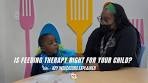
Is Feeding Therapy Right for Your Child? Key Indicators …
What is Pediatric Feeding Therapy and Who Provides It
Pediatric feeding therapy is a specialized, supportive intervention designed to help children overcome challenges with eating, drinking, and swallowing. These difficulties may stem from medical, sensory, motor, or behavioral factors, requiring expert-led, individualized care to ensure a child grows and thrives. At pcs-ok.com, we provide this care through a team of licensed professionals who focus on safe chewing, texture tolerance, and efficient swallowing to support long-term health.
This therapy is primarily provided by Speech-Language Pathologists (SLPs) and Occupational Therapists (OTs). While these providers often work in tandem, they bring unique areas of expertise to the table. According to the American Speech-Language-Hearing Association, SLPs are essential for diagnosing and treating dysphagia by focusing on the mechanics of oral-motor function and the complex coordination required for safe swallowing. OTs often complement this by addressing sensory processing, postural control, and the fine motor skills necessary for independent self-feeding.
Successful outcomes often depend on a multidisciplinary team approach. By collaborating with dietitians, physicians, and psychologists, therapists can manage the multifactorial nature of pediatric feeding disorders per a 2020 study. This comprehensive strategy ensures that every child receives a plan tailored to their specific developmental level and nutritional needs. At pcs-ok.com, our therapists specialize in targeting these underlying sensory and motor factors, helping children build the skills needed to make every mealtime a safe and enjoyable experience.
Recognizing When Your Child Needs Professional Feeding Support

Understanding when a child needs professional help can be challenging, but identifying early indicators is vital for healthy growth. Pediatric Feeding Disorder often manifests through observable physical and behavioral cues. Frequent gagging, choking, or vomiting during meals are critical red flags that require attention. At pcs-ok.com, our specialists work to address the underlying mechanics of these struggles, ensuring that safety and comfort remain the priority.
Beyond physical safety, growth metrics provide clear signals. When a child struggles to gain weight or begins dropping off their established growth curves, it often suggests that nutritional intake is insufficient for their developmental needs. Feeding Therapy serves as a necessary intervention to support these children by improving oral motor skills and increasing dietary variety. If your child is restricted to fewer than 20 foods or refuses entire textures, our team at pcs-ok.com can help expand their capabilities through evidence-based, child-centered techniques.
Behavioral indicators are equally significant. If mealtimes are marked by extreme distress, such as arching, crying, or persistent tantrums, the feeding process may have become an overwhelming source of anxiety for the family. Feeding Therapy focuses on fostering positive mealtime associations to replace these negative experiences. At pcs-ok.com, we emphasize individualized, cue-based approaches that prioritize the child’s comfort, aiming to transform high-stress environments into enjoyable, social moments.
The Importance of Early Intervention for Feeding Milestones

Feeding is a complex developmental process that integrates multiple body systems, including muscle coordination, sensory processing, and cognitive abilities. When these systems face hurdles, early intervention is vital to promote healthy development and prevent lasting nutritional deficiencies. Per ASHA, addressing feeding and swallowing disorders promptly is essential because untreated issues may persist into adulthood, affecting both long-term health and psychosocial well-being.
At what age should a child start feeding therapy?
There is no specific minimum age for starting feeding therapy, as intervention can begin as early as infancy if a child faces challenges with latching, bottle-feeding, or intake. Because feeding is a complex developmental process, parents should consult a professional whenever they notice red flags, such as frequent choking, gagging, poor weight gain, or significant struggles during mealtimes. While some issues may resolve with age, others—such as difficulty transitioning to solids between 6 and 12 months or an extremely limited diet—benefit from early specialized support. Ultimately, therapy is appropriate whenever feeding difficulties negatively impact a child’s health, growth, or family well-being. By addressing these concerns promptly, licensed speech-language pathologists can provide the individualized, evidence-based care necessary to support your child’s development.
At pcs-ok.com, we understand that these challenges are rarely a parent’s fault and often stem from underlying medical or sensory factors. Unlike clinics that prioritize generic behavioral modifications, our team focuses on specialized feeding therapy to address the root causes of oral-motor and sensory difficulties. By intervening early, families can transition from high-stress mealtime battles to positive, safe eating experiences that support a child’s nutritional and physical growth.
Transforming Mealtimes Through Comprehensive Therapeutic Benefits
Feeding therapy provides comprehensive support by helping children develop the necessary oral-motor and chewing skills to eat safely and efficiently. At Pediatric Communication Solutions, our clinicians focus on enhancing the functional range, strength, and control of the lips, cheeks, jaw, and tongue, which are vital for the coordination required for chewing, sipping, sucking, and swallowing per American Speech-Language-Hearing Association. By improving these physical mechanics, we ensure that every child at pcs-ok.com is equipped to manage diverse food textures safely.
Beyond physical mechanics, these sessions target sensory sensitivities, which can increase a child’s willingness to try a wider variety of foods and food groups. pcs-ok.com utilizes supportive, experience-dependent motor learning to help children overcome aversions at their own pace. This approach can foster comfort with new temperatures, tastes, and textures, which is essential for ensuring balanced nutritional intake as noted by CHOC.
The therapy also aims to address underlying nutritional concerns, ensuring children can meet their growth and developmental milestones. Furthermore, clinicians work to reduce mealtime anxiety, helping to transform often stressful experiences into positive, manageable routines for both the child and their family. pcs-ok.com emphasizes that the ultimate goal is to foster a healthier relationship with food while promoting greater independence during mealtimes, including the mastery of self-feeding skills like using utensils and cups.
Inside a Typical Feeding Therapy Session
A typical feeding therapy session is a structured, evidence-based experience tailored to a child’s specific sensory or oral-motor needs, often lasting between 30 and 60 minutes. Because feeding is a complex task requiring the coordination of multiple body systems, therapists at Pediatric Communication Solutions design personalized activities to address barriers like food avoidance, texture sensitivities, or difficulties with chewing and swallowing safely. Unlike some models that rely on high-pressure tactics, our approach centers on creating a safe environment that mirrors natural child development.
These sessions frequently incorporate play-based interactions and food exploration to encourage a child to touch, smell, and eventually taste new items at their own pace. By utilizing sensory play, the therapist helps the child build confidence and comfort with varied textures and flavors without the anxiety often associated with traditional meals. Research indicates that such experience-dependent motor learning is far more effective for long-term progress than isolated exercises.
Parent education and home carryover are essential components of our therapeutic process at pcs-ok.com. Therapists work closely with caregivers to provide specific strategies, such as maintaining food logs or adjusting positioning, ensuring that the skills practiced in the clinic translate into successful mealtimes at home. By fostering this collaboration, we help families transform eating from a source of stress into a positive, shared experience.
Specialized Support for Infants and Picky Eaters
For infants struggling with nutrition, Speech-Language Pathologists assess the intricate motor and sensory skills necessary for successful breastfeeding or bottle-feeding. At pcs-ok.com, speech-language pathologists evaluate latch quality and infant stability during the feeding process, often collaborating with lactation consultants to resolve underlying barriers. We prioritize responsive, cue-based approaches that honor an infant’s communication signals while ensuring safe, effective intake.
When should parents seek help for a picky eater?
Occasional food refusal is common, but professional guidance at pcs-ok.com is recommended if a child eats fewer than 15 foods or rejects entire food groups. You should also seek evaluation if you notice persistent gagging, choking, or failure to meet expected growth milestones. Our feeding therapy programs focus on gradual, stress-free desensitization. This approach can help build internal motivation by allowing children to explore textures and flavors at their own pace, potentially transforming mealtime into a positive experience. By addressing sensory or oral-motor deficits early, we can support children in expanding their diets and developing healthier eating patterns.
Moving Toward Positive Mealtimes
If you are concerned about your child’s eating habits, seeking a professional consultation offers both clarity and peace of mind. Pediatric feeding therapy is not about achieving perfection, but about ensuring your child is safe, healthy, and developing the skills they need to enjoy mealtime. Early assessment can help identify whether behavioral or physiological factors are at play, allowing for a proactive and supportive plan.
At pcs-ok.com, we are deeply committed to providing evidence-based, compassionate care for Oklahoma families. Unlike generic approaches that may rely on high-pressure tactics, our therapists prioritize a child-centered feeding therapy experience. By focusing on each child’s unique needs, we build a foundation of trust that helps them overcome sensory sensitivities or oral-motor hurdles at their own pace.
The ultimate goal is to move beyond the stress of difficult mealtimes toward an environment of connection and joy. By learning how feeding therapy supports healthy weight gain and independence, you empower your child to explore new textures and flavors with confidence. We invite you to reach out to our team at pcs-ok.com to discuss how we can partner with your family to foster a more positive and successful relationship with food.