Cleft Palate Speech Therapy: Specialized Techniques for Clear Speech
Why Targeted Therapy Matters
Velopharyngeal dysfunction (VPD) disrupts the valve, causing hypernasality, nasal air emission, and reduced oral pressure that make pressure consonants (/p, t, k, b, d, g/) hard to produce. Children often develop compensatory articulations such as glottal stops or nasal fricatives, further reducing intelligibility. Early identification—ideally before age three—allows intervention before maladaptive habits form. A team that includes a speech‑language pathologist, surgeon, audiologist, and orthodontist coordinates assessment, surgical repair or prosthetic closure, and targeted therapy. Evidence‑based techniques like auditory feedback with a listening tube or Oral & Nasal Listener™, oral pressure drills, visual and tactile cues, and nasal occlusion provide immediate feedback that drives motor learning. Regular brief sessions and caregiver‑led home practice are essential for achieving normal speech resonance and intelligibility.
Hierarchy of cleft palate speech therapy
Understanding Velopharyngeal Dysfunction and Its Speech‑Sound Profile
Velopharyngeal dysfunction (VPD).pdf) is classified into three types: velopharyngeal insufficiency (structural defect), velopharyngeal incompetence (neurophysiological weakness), and velopharyngeal mislearning (learned placement errors). Children with repaired cleft palate often display hypernasality, audible nasal emission, and reduced oral pressure for pressure‑dependent consonants (/p, b, t, d, k, g/). Because the velopharyngeal valve cannot close fully, air escapes through the nose, producing a nasal, “fuzzy” resonance. Compensatory articulations develop as learned strategies—glottal stops, pharyngeal plosives, posterior nasal fricatives, and nasalized vowels—creating further intelligibility challenges. Speech‑language therapy cannot correct structural VPI alone; surgical repair or prosthetic devices are required for closure. Post‑surgical therapy targets these functional errors with multisensory cues: auditory feedback via a listening tube or Oral & Nasal Listener™; visual biofeedback with a nasometer; tactile cues (hand on throat) and oral‑pressure drills (straw, h‑insertion technique). Frequent short practice sessions and parent‑implemented home reinforcement are essential for normalizing resonance and articulation after cleft palate repair.
Core Articulation and Resonance Techniques for Repaired Cleft Palate
Speech therapy for children with repaired cleft lip and palate focuses on three inter‑related goals: (1) accurate articulatory placement for all phonemes, (2) sufficient oral pressure for pressure consonants, and (3) elimination of hypernasality and nasal emission by improving velopharyngeal coordination.
Phonetic placement drills and consonant‑group sequencing– Clinicians begin with high‑visibility, voiceless sounds and use multisensory cues (visual mirror work, tactile hand‑on‑neck, auditory feedback). Drills are organized into three consonant groups: Group 1 (/p, t, k/), Group 2 (/b, d, g/), and Group 3 (/f, s, ʃ, ʧ, ʤ/). Mastery of each sound in isolation precedes syllable, word, and sentence practice, following motor‑learning principles of frequent short sessions and immediate feedback.Nasal occlusion devices– A nose plug, listening tube, or the Oral & Nasal Listener™ (ONL) provides auditory feedback of nasality and helps the child feel oral airflow. These tools are used during drills to block nasal emission, encouraging true oral pressure while the child learns the correct placement of the tongue and lips.Therapy goals for repaired cleft palate– The ultimate aim is normal, age‑appropriate speech—not merely acceptable speech. Therapy targets compensatory articulations (e.g., glottal stops, pharyngeal plosives), uses visual feedback such as nasometry when available, and integrates home practice and caregiver coaching.Can speech therapy help with a cleft palate? Yes. While structural gaps require surgical or prosthetic closure, speech‑language pathologists remediate articulation errors, reduce hypernasality, and build oral pressure, enabling functional speech after repair.Local resources – Pediatric Communication Solutions (PCS‑OK) in Oklahoma City offers play‑based, family‑centered cleft palate therapy, coordinating with surgeons, audiologists, and orthodontists. Families can find additional providers by searching “pediatric speech therapy Oklahoma City.”
Managing Hypernasality and Providing Real‑Time Feedback
Therapists begin by helping the client, adult or child, detect excessive nasal airflow. Simple visual cues such as a mirror or a handheld airflow detector, and instrumental feedback from a nasometer or spectrograph, make the nasal component audible. The Oral & Nasal Listener™ (ONL) amplifies nasal sound while the child hears the oral stream, allowing immediate self‑correction.
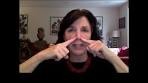
Adult hypernasality exercises start with oral‑pressure drills—sustained /p/ or /t/ sounds, straw‑blowing, and “air‑puff” tasks—paired with nose‑pinch or tactile cues (hand on neck) to reinforce velar closure. Pediatric sessions follow the same principles but use play‑based straw games, cued‑Sac techniques, and short, frequent drills that progress from isolated vowels to syllables, words, and functional phrases.
Free printable resources are widely available. The ASHA website and the American Cleft Palate‑Craniofacial Association offer PDFs for resonance work, articulation worksheets, and clear‑speech strategy handouts. Parents can request these from their clinician or download them from the PCS‑OK patient portal; additional free cards and activity sheets are hosted on Teachers Pay Teachers and the NHS sites.
These evidence‑based tools and exercises enable rapid auditory‑visual feedback, helping clients achieve normal resonance and intelligibility.
Home Practice, Play‑Based Activities, and Parent‑Led Support
Play‑based drills and daily routines are the cornerstone of home practice for children with cleft‑palate‑related speech delays. Turn‑taking games—rolling a ball while naming colors, or “I‑go‑you‑go” chants—encourage oral pressure and articulation. Incorporating target sounds into everyday activities (e.g., “open your mouth for /p/ while brushing”) helps the child experience correct placement repeatedly. Parents can use visual supports such as picture cards, mirrors, or a straw‑feedback tube to provide auditory cues. Nutrition matters: Vitamin B12 (cobalamin) supports neural myelination and speech‑motor development; deficiency may contribute to language delay. Adequate intake through meat, dairy, fortified cereals, or supplements, discussed with a pediatrician, is recommended. Folate (B9) also benefits language outcomes, especially during pregnancy. To help a child at home, create a language environment by narrating activities, speaking slowly, waiting expectantly for responses, and expanding child‑initiated utterance. Limit screen time, read, and use gestures to reinforce meaning. Local services in Elgin, Norman, and Edmond, OK, can be found by searching “speech therapy Elgin OK,” “Norman OK,” or “Edmond OK” and contacting pediatric clinics or PCS‑OK directory for referrals.
Professional Services, Access Points, and Multidisciplinary Collaboration in Oklahoma
Key clinics and providers in the Oklahoma City metro area include Pediatric Communication Solutions (PCS‑OK), a child‑centered practice that treats cleft palate, language delays, articulation and feeding issues; Horizons Pediatric Therapy, a mobile team that brings speech‑language, occupational, and feeding services to homes and schools; and the Speech‑therapy Services‑ edge, which offers intensive, play‑based therapy. Adults in OKC can receive services at SSM Health St. Anthony Hospital, Bellevue Health & Rehabilitation, and Mercy Therapy Services, covering aphasia, dysarthria, voice and swallowing disorders.
Referral pathways typically start with a pediatrician or early‑intervention specialist who can order an evaluation and coordinate with the cleft team. Most providers accept major insurers and offer tele‑health options for families living outside the metro area. Parents can ask about coverage for nasometry, oral‑pressure drills, and home‑program equipment.
Multidisciplinary collaboration is built into every program: SLPs work closely with craniofacial surgeons, otolaryngologists, audiologists, orthodontists, and orthodontic specialists to monitor velopharyngeal function, hearing status, and dental development. Regular case conferences ensure that surgical revisions, prosthetic devices, or orthodontic adjustments are synchronized with speech‑therapy goals, promoting normal speech, resonance, and intelligibility for children with cleft palate.
Integrated Care, Timeline, and Future Directions
Early Intervention Timeline and Milestones Children with a cleft palate begin language‑rich interactions from birth, but formal speech evaluation typically starts at 12–18 months after palate repair. Ages 0‑3 focus on building a robust expressive vocabulary; ages 3‑4 introduce speech‑quality assessments, and referral for velopharyngeal evaluation when hypernasality or reduced oral pressure appears. Frequent, short practice sessions (10‑15 min) support motor‑learning principles and prevent entrenched compensatory patterns.Role of Surgical and Prosthetic Interventions Structural velopharyngeal insufficiency (VPI) cannot be corrected by therapy alone; surgical repair or prosthetic devices (speech bulbs, palatal lifts) provide the anatomical closure needed for oral pressure. Post‑operative therapy uses auditory feedback tools—nasal plugs, listening tubes, Oral & Nasal Listener™ (ONL)—to train the child to use the newly closed valve. If VPI persists, multidisciplinary reassessment guides revision surgery or prosthetic adjustment.Long‑Term Goals and Quality‑of‑Life Outcomes Therapy aims for normal resonance and intelligibility: (1) correct articulatory placement, (2) develop adequate oral pressure for pressure consonants, (3) eliminate hypernasality and nasal emission, and (4) replace compensatory articulations. Achieving age‑appropriate speech supports classroom participation, self‑esteem, and academic success, ultimately enhancing overall quality of life.FAQs
- Goals for cleft palate speech therapy: Normal resonance, intelligibility, and age‑appropriate speech patterns.
- Cleft palate speech problems: Hypernasality, reduced oral pressure, compensatory articulations, and possible middle‑ear issues.
- Can speech therapy help with a cleft palate?: Yes—therapy refines articulation and oral pressure after surgery; structural gaps require surgical or prosthetic correction.
- Pediatric Communication Solutions: Provides coordinated care with surgeons, orthodontists, audiologists, and feeding specialists to align therapy with surgical timelines.
- Horizons Pediatric therapy OKC: Mobile therapy brings services to families, ensuring continuity after surgery and collaboration with craniofacial teams.
Putting It All Together for Clear Speech
Key take‑aways for families and clinicians: Velopharyngeal dysfunction after cleft palate repair can cause hypernasality and compensatory errors, but targeted speech therapy—using auditory feedback, nasal occlusion, and phonetic placement drills—can normalize resonance and articulation. Early, intensive practice (short daily sessions) maximizes motor learning, and teamwork among SLPs, surgeons, orthodontists, and audiologists ensures that structural and functional issues are addressed together. Next steps in Oklahoma: obtain a referral from a pediatrician or ENT to the state‑wide cleft team (e.g., OU Health, Mercy Therapy, OKC Speech). Schedule an initial evaluation, discuss home‑practice plans, and explore telepractice options if travel is a barrier for children.