Enhancing Therapy through Family Collaboration
The Importance of Family Partnership in Pediatric Therapy
Overview of pediatric therapy services
Pediatric therapy encompasses specialized interventions to support children’s speech, language, swallowing, feeding, and literacy development. Licensed and certified speech-language pathologists (SLPs) provide individualized care tailored to children’s unique needs, often collaborating with medical specialists to maximize outcomes in settings such as clinics, homes, and schools.
Family collaboration as a foundation for therapeutic success
Active family involvement is essential in pediatric therapy, serving as a foundation for therapeutic progress. When parents, siblings, and caregivers participate in therapy planning and practice, children experience faster and more robust improvements. Families supported with strategies to integrate communication practice into daily routines create rich language environments essential for lasting gains. Empathetic communication and genuine partnership encourage trust, motivation, and consistency, addressing practical challenges like scheduling to sustain therapy engagement.
Role of specialized speech-language pathologists
Specialized SLPs bring expertise in evidence-based approaches focused on promoting communicative independence. They collaborate closely with families to set personalized goals, demonstrate functional techniques, and adjust therapy to each child’s evolving needs. These professionals emphasize strength-based, culturally responsive methods ensuring children in Oklahoma City and surrounding areas receive compassionate, expert care that honors family dynamics and supports lifelong communication success.
Collaborative Therapy and Reflecting Teams
Comprehensive Care at Pediatric Communication Solutions

What services does Pediatric Communication Solutions offer?
Pediatric Communication Solutions provides a wide range of specialized services tailored to support children’s communication, feeding, and learning development. Their offerings include pediatric speech-language therapy aimed at improving communication skills, language development, and social interaction. Additionally, they provide feeding therapy to address swallowing and feeding challenges common in young children. Learning support services are available to assist children with developmental delays or specific speech and language disorders. Each service is designed around the unique needs of the child, ensuring personalized care plans that involve both the family and medical experts.
Who provides the speech-language therapy at Pediatric Communication Solutions?
Speech-language therapy at Pediatric Communication Solutions is delivered by licensed and certified speech-language pathologists. These professionals have completed rigorous graduate training, including supervised clinical experience, and have achieved the necessary licensure to practice. Their expertise spans a variety of communication disorders, including speech clarity, language comprehension, fluency, voice, and swallowing difficulties. This skilled team is committed to providing tailored therapy that supports each child’s progress and fosters greater communication confidence.
Does Pediatric Communication Solutions collaborate with other medical specialists?
Yes, collaboration is a cornerstone of care at Pediatric Communication Solutions. The team works closely with a network of medical specialists such as pediatricians, neurologists, and ENT doctors. This multidisciplinary approach allows for comprehensive evaluation and treatment, addressing all aspects of a child’s developmental and health needs. Integrating medical insights with speech-language therapy ensures that each child’s treatment plan is holistic, effective, and responsive to any underlying conditions.
This comprehensive approach delivered by a team of qualified professionals sets Pediatric Communication Solutions apart in Oklahoma City, providing families with compassionate, evidence-based support for children’s speech, language, feeding, and learning challenges.
The Crucial Role of Family Involvement in Therapy Success
How does family engagement boost therapy outcomes?
Family involvement is foundational to achieving better success in pediatric speech and mental health therapies. Research shows that when parents actively participate in treatment sessions and continue practicing therapeutic techniques at home, children exhibit significantly faster and more sustained progress in communication skills and behavioral management. Family-based interventions not only foster Higher therapy completion rates but also enhance symptom reduction, especially for externalizing behaviors common in children.
Why is training parents as primary facilitators essential?
Training parents equips them to become confident partners in therapy, acting as primary facilitators for their child’s development. Licensed speech-language pathologists at CST Academy emphasize involving parents in goal setting, technique demonstration, and implementation strategies tailored to family priorities and routines. This empowers parents to practice speech therapy techniques throughout daily activities, increasing the child’s opportunities to use and generalize new skills beyond clinic sessions.
How can family routines and environments be incorporated effectively?
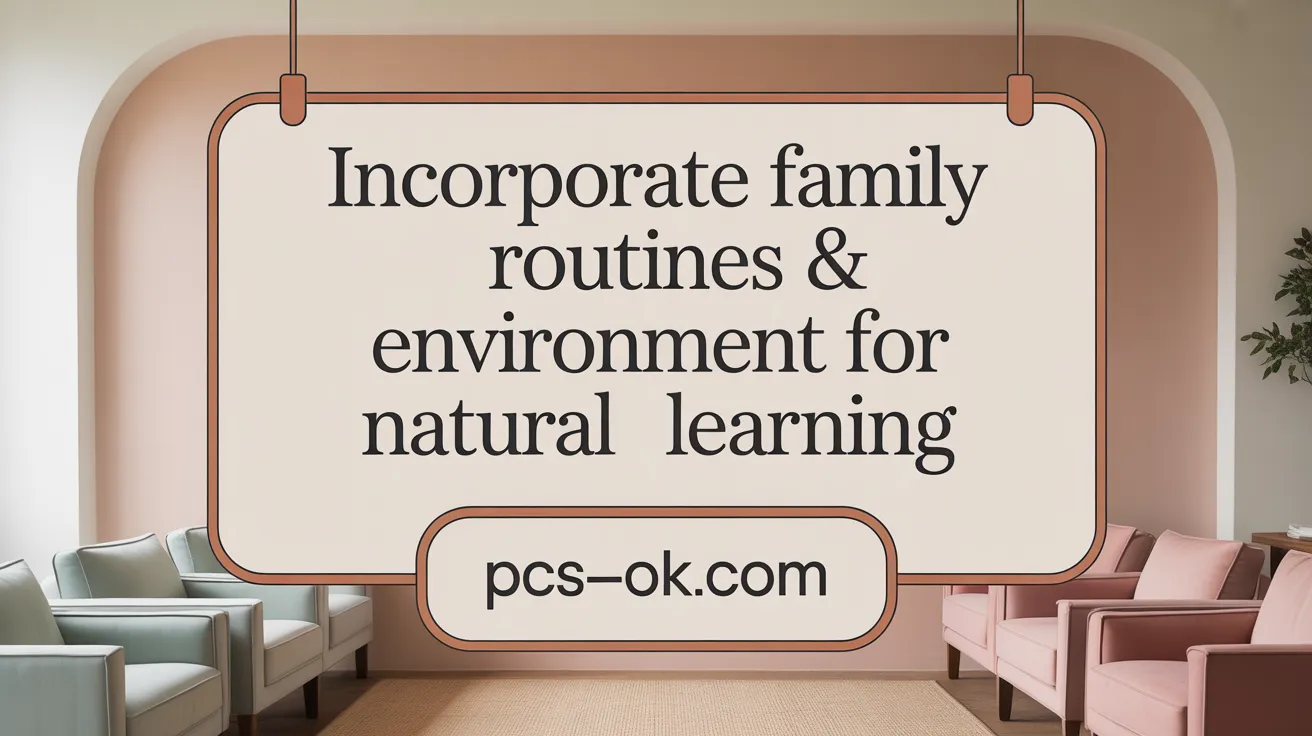
Integrating speech practice and therapeutic activities into family routines creates a natural, language-rich environment that supports ongoing development. Parents are encouraged to embed speech exercises within everyday tasks such as mealtime, bath time, and play, which also makes therapy more enjoyable and less disruptive. Engaging siblings and grandparents further reinforces the child’s learning and helps build consistent communication practice across family members, reflecting the Role of family in communication development.
What is the importance of emotional support and trust-building with families?
Establishing trust between therapists and families through empathy, active listening, and respectful collaboration enhances motivation and engagement. Understanding families’ fears and concerns, such as anxiety around speech difficulties or feeding challenges, fosters a Supportive networks for family resilience where parents feel valued and empowered. This environment strengthens family bonds and resilience, which are crucial for sustaining long-term therapy gains and coping with challenges.
Together, these elements of family involvement—Family engagement in therapy, Parent training, routine integration, and Therapeutic tools for resilience—create a holistic and effective foundation for pediatric speech-language and family therapies in Oklahoma City.
Evidence-Based Family Therapy Approaches Enhancing Outcomes
What Techniques Are Used in Collaborative Family Therapy?
Collaborative family therapy actively involves all family members in the treatment process, emphasizing Strengthening communication skills and Building trust in families. Therapists use techniques like Active listening in family therapy, empathy, reframing, and authenticity to foster engagement. Regular practice of these Therapeutic tools for resilience helps families build resilience and navigate Managing daily challenges in children, particularly in managing pediatric behavioral and communication issues.
How Does the Systemic Framework Influence Therapy?
Family therapy is grounded in a systemic framework in behavioral health, recognizing that behavioral health issues are closely tied to family and social system dynamics. Changing patterns within the family and social relationships can significantly improve youth functioning. Therapies like Multisystemic therapy (MST) focus on strengths across various systems—individual, family, peers, school, and neighborhood—to create meaningful, long-lasting change.
What Engagement Strategies Support Family Participation?
Successful family therapy employs multiple engagement strategies:
- Empathy and Reflective Listening: Understanding family members’ perspectives to build trust through Empathy in family therapy and Reflective listening in therapy.
- Reframing: Offering different views on problems to reduce blame and open pathways to solutions using Reframing techniques in MST.
- Flexibility and Authenticity: Adapting approaches to meet each family’s unique needs strengthens Therapist-family rapport building.
- Setting Clear Expectations: Establishing boundaries and objectives to guide therapy. These strategies encourage cooperation, improve motivation, and promote Higher therapy completion rates.
What Are the Benefits for Children With Externalizing Behavioral Problems?
Family-based interventions lead to Higher therapy completion rates and better symptom reduction for children with externalizing behaviors such as conduct problems and delinquency. Strong family involvement creates Improving emotional security and reduces conflict, aiding in the child’s Reducing behavioral problems in children and communication improvements.
Why Are Home-Based Sessions More Effective?
Delivering therapy through Home-based family therapy sessions, rather than only clinic visits, increases family engagement. The familiar environment enhances participation and allows therapists to tailor interventions to real-life settings, which supports generalization of skills and strengthens family routines through Engagement and motivation in therapy.
Maximizing Parent-Therapist Collaboration: Strategies and Best Practices
Building trust through empathy and communication
Effective collaborate with parents starts with building trust between speech-language pathologists (SLPs) and parents. Empathy plays a crucial role in understanding parental concerns and anxieties, fostering a cooperative therapeutic relationship. Clear, honest, and respectful communication helps parents feel supported and valued as partners in their child’s therapy journey.
Parental involvement in goal-setting and home practice
Involving parents in setting therapy goals ensures alignment with family priorities and daily routines, making therapy more relevant and sustainable. Training parents to practice specific communication techniques at home expands learning opportunities beyond clinical sessions, providing consistent support that accelerates children’s progress (collaborate with parents, family involvement in pediatric therapy).
Use of communication notebooks and transparency
Communication notebooks serve as practical tools for ongoing dialogue between therapists and families. These notebooks allow real-time updates on the child’s progress, challenges, and homework assignments. Transparency about therapy outcomes, both successes and setbacks, fosters a collaborative approach in therapy environment and maintains parental motivation.
Adapting therapy to family schedules and routines
Recognizing the diverse and busy schedules of families, therapists adapt activities to fit their daily lives. Starting with manageable tasks minimizes overwhelm and encourages consistent parent participation. Embedding therapy into routine activities like mealtimes or play makes practicing speech and language skills natural and enjoyable for children and families alike (family involvement in pediatric therapy, Activities to Encourage Speech and Language Development).
Positive reinforcement and motivation techniques
Motivating parents and children through positive reinforcement sustains engagement in therapy. Celebrating small achievements and offering encouragement nurtures confidence and resilience (collaborate with parents, Strengthening communication skills). Making homework fun and connected to everyday experiences helps maintain enthusiasm and promotes generalization of newly acquired skills.
Sustaining Long-Term Family Resilience Through Support Networks
How Do Community and School Involvement Support Family Resilience?
Community resources for families and schools supporting family mental health play a crucial role in sustaining family resilience, especially when managing pediatric communication and behavioral challenges. Involving schools and local organizations creates a supportive environment that extends therapeutic gains beyond clinical settings. This engagement helps children practice skills in natural contexts and fosters a network of support for families navigating managing daily challenges in children.
What Practical Barriers Must Be Addressed for Effective Family Engagement?
Successful family engagement in therapy requires overcoming practical challenges such as scheduling conflicts, transportation, and childcare needs. Early assessment in family therapy to identify these barriers allow therapists to tailor interventions that fit family lifestyles. Home-based family therapy sessions with flexible session times significantly improve participation and higher therapy completion rates.
How Does Teletherapy Enhance Accessibility and Family Support?
Teletherapy and digital platforms increase accessibility for families by reducing the need to travel to clinics. This convenience supports consistent participation, especially for families with busy schedules or those living in rural areas. Interactive virtual sessions offer opportunities for therapists to coach parents in real-time, reinforcing strategies within the home environment, enhancing collaboration in family therapy.
How Are Inclusive Approaches Adapted to Diverse Family Structures and Cultures?
Effective family therapy embraces cultural sensitivity in family therapy and inclusivity, acknowledging unique family compositions and backgrounds. Therapists actively collaborate with families to respect their values while integrating evidence-based family therapies. This personalized approach enhances building trust in families, engagement, and the overall effectiveness of therapy.
Why Is Ongoing Family Education and Support Vital?
Continuous education empowers families by increasing their understanding of the child’s communication needs and therapeutic goals. Providing resources and training helps caregivers confidently implement strategies daily, fostering consistent progress. Support networks, including supportive networks for family resilience and community programs, maintain motivation and resilience over time, ensuring long-term success in therapy for children and their families.
Empowering Families to Inspire Lasting Therapeutic Impact
Enhancing Therapy Through Family Collaboration
Collaborative family involvement significantly strengthens pediatric speech and language therapy outcomes. Active participation by parents and caregivers fosters improved communication, emotional security, and trust within the family, creating a supportive environment for children’s development.
Encouraging Active Engagement
Parents and family members are encouraged to integrate therapeutic practices into daily routines, helping children practice communication skills naturally. Effective strategies include using consistent language, engaging in therapy activities together, and maintaining open communication with therapists.
Commitment to Holistic, Family-Centered Care
Therapy providers in Oklahoma City, such as CST Academy and Brightpoint MD, emphasize individualized, evidence-based approaches that address each family’s unique dynamics. Their commitment ensures treatments consider the whole family system, promoting resilience and long-term success for children’s speech and language growth.