Understanding Unclear Speech in Children: Causes and Solutions
Why Understanding Unclear Speech in Children Matters
Definition of unclear speech
Unclear speech in children refers to difficulties with articulation, pronunciation, or using sounds correctly, making their speech hard to understand. This can stem from speech sound disorders like articulation or phonological disorders, neurological challenges such as childhood apraxia of speech, or muscle coordination issues like dysarthria.
Importance of early recognition and intervention
Early identification of unclear speech is critical. Children typically should be understood by familiar adults by age 3 and by most people by age 4. If speech remains unintelligible beyond these ages, a professional evaluation by a speech-language pathologist (SLP) is recommended. Timely intervention with specialized therapy supports improving speech clarity, preventing frustration, and boosting self-esteem.
Impact on social and educational development
Unclear speech can affect a child’s ability to communicate effectively with peers and adults, leading to social withdrawal or behavioral challenges. It may also hinder academic progress by impacting language comprehension, literacy development, and classroom participation. Early speech therapy helps children gain confidence, improves social interaction skills, and promotes better educational outcomes through improved communication abilities.
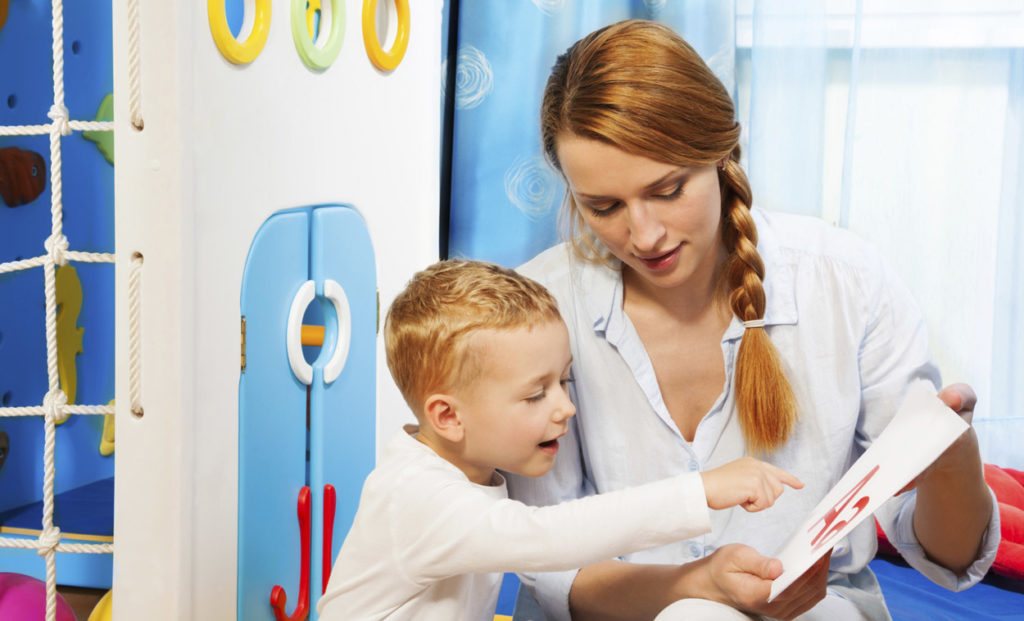
How to support unclear speech in children HCT Katie SLT 2020
Common Causes of Unclear Speech in Children
What are the primary causes of unclear speech in children?
Unclear speech in children can result from a variety of underlying causes, each affecting the way a child produces or processes speech sounds.
Articulation Disorders
These involve difficulties in physically producing specific speech sound disorders in children correctly. Children may substitute, omit, distort, or add sounds, making their speech hard to understand.
Phonological Process Disorders
This type involves predictable patterns of speech sound disorders in children where children simplify speech sounds incorrectly, such as leaving out consonants or syllables.
Childhood Apraxia of Speech (CAS)
Childhood Apraxia of Speech (CAS) is a motor planning disorder where children know what they want to say but struggle to coordinate the muscle movements needed for speech. Their speech may be inconsistent and difficult to imitate.
Dysarthria and Oral-Motor Difficulties
Dysarthria results from weakness or poor coordination of the speech muscles due to neurological conditions. It leads to slurred or slow speech and issues with voice control.
Hearing Loss and Chronic Ear Infections
Hearing problems and speech development, often caused by chronic ear infections, can delay speech development since the child may not hear speech sounds clearly or consistently.
Developmental and Neurological Conditions
Conditions such as autism spectrum disorder, cerebral palsy, and Down syndrome can impact speech clarity through complex motor or cognitive challenges.
Early identification and professional evaluation by speech-language pathologists are essential for addressing these causes effectively and promoting clearer communication.
Recognizing Signs of Unclear Speech and When to Seek Help
Typical speech milestones and intelligibility ages
Most children begin to babble and produce consonant sounds by about 8 to 9 months. By age 3, familiar listeners should understand them most of the time, and by age 4, they should be understood by both familiar and unfamiliar listeners. Most children produce all speech sounds correctly by age 5, except for more complex sounds like “th,” which develops around 7.5 years.
Signs of speech sound disorders
Unclear speech persisting beyond age 3, difficulty forming simple sentences, or trouble understanding spoken language by age 3 to 3.5 are notable signs. Other indicators include not using gestures by 12 months, limited spontaneous speech by age 2, and persistent articulation errors such as sound substitutions, omissions, or distortions. These symptoms may point to speech sound disorders in children, Childhood Apraxia of Speech (CAS), or hearing problems and speech development.
Social and emotional effects of unclear speech
Children with unclear speech may feel frustrated, experience social withdrawal, or be mistaken for shy or inattentive. This can impact self-esteem and social skills development, making helping your child with unclear speech early support crucial.
Importance of early diagnosis and professional evaluation
Early recognition and assessment by speech-language pathologists (SLPs) allow for targeted interventions through speech therapy for children. Parents noticing persistent unclear speech or missed milestones should consult their pediatrician, a health visitor, or a qualified SLP promptly. Early therapy enhances communication skills, boosts confidence, and fosters successful social and academic development.
How can parents recognize unclear speech and when should they seek professional help?
Children should be mostly understood by familiar listeners by age 3 and by most people by age 4. Signs such as persistent unintelligible speech beyond age 3, difficulty producing simple sentences or understanding spoken language by age 3.5, or lack of typical speech milestones like using gestures by 12 months warrant professional evaluation. Early recognition helps address potential speech sound disorders in children, Childhood Apraxia of Speech (CAS), or hearing problems and speech development that affect communication and social confidence.
Effective Approaches to Diagnosing and Treating Unclear Speech
Role of Speech-Language Pathologists (SLPs)
Speech-language pathologists (SLPs) are specialists trained to assess and treat unclear speech in children. They evaluate speech, language, oral-motor skills, and hearing to identify the root causes of speech difficulties. SLPs collaborate with multidisciplinary teams including audiologists, pediatricians, and educators to provide comprehensive care tailored to each child’s needs.
Assessment Methods Including Standardized Tests and Hearing Evaluations
Effective diagnosis begins with a detailed evaluation involving standardized speech and language tests, oral mechanism examination, and hearing screenings. These assessments distinguish between articulation disorders, phonological process disorders, Childhood Apraxia of Speech (CAS), and dysarthria, among other conditions. Hearing tests are crucial since auditory issues can significantly affect speech development. See more about Speech Sound Disorders in Children.
Speech Therapy Techniques: Articulation, Phonological Therapy, Play-Based and Visual Supports
Treatment plans often include Articulation Therapy for Children focusing on correct sound production and phonological therapy addressing predictable speech sound patterns. Play-based speech therapy engages children naturally using toys and games, while Visual Supports in Speech Therapy—such as pictures, gestures, and modeling—enhance understanding and participation. Auditory processing activities also help improve listening skills critical for speech comprehension.
Importance of Individualized and Multidisciplinary Care
Each child’s therapy is personalized to address specific challenges and strengths. Multidisciplinary approaches ensure that underlying medical, hearing, and developmental factors are also managed. Consistent parental involvement through home practice strategies enhances and sustains progress. For related services and programs, explore Pediatric Speech & Language Programs.
Speech Therapy for Specific Disorders Such as CAS and Dysarthria
Children with Childhood Apraxia of Speech (CAS) require motor planning-focused interventions to coordinate speech movements, often through specialized programs like the Nuffield Dyspraxia Program. Dysarthria therapy emphasizes muscle strengthening, voice control, and communication strategies to improve speech clarity. Early recognition and targeted therapy greatly improve outcomes in these complex cases.
Effective treatment of unclear speech relies on comprehensive evaluation, personalized therapy, and collaborative care, supporting children to communicate clearly with confidence.
Supporting Children and Families: Home Strategies and Professional Collaboration
How can parents support their children with unclear speech at home?
Parents play a crucial role in promoting speech development by engaging in warm, frequent communication. Talking and singing to children, reading age-appropriate books aloud, and describing everyday activities provide rich opportunities for language learning.
Modeling correct speech gently is more effective than direct correction. When a child mispronounces a word, parents can repeat it back correctly without insisting on repetition, reducing pressure and helping build the child’s confidence. Encouraging gestures, pointing, or drawing supports communication when speech is unclear.
Integrating speech therapy exercises for parents into daily routines—such as naming objects during meals or playing word games during car rides—makes learning natural and fun. Positive reinforcement and praise motivate children to practice without fear.
Avoiding baby talk and encouraging clear, deliberate speech models healthy communication habits. Creating a supportive, low-pressure environment helps children feel comfortable experimenting with sounds and words.
Collaboration between parents, speech-language pathologists, and educators is vital. Consistent strategies across home, therapy, and school settings promote steady progress and ensure children receive the comprehensive support they need.
This family-centered, compassionate approach empowers children to develop clearer speech and stronger communication skills, fostering social confidence and literacy development.
Long-Term Outlook and Importance of Early Intervention
What is the long-term outlook for children with unclear speech and why is early intervention important?
Children typically master all speech sounds by age 8, with most becoming fully understandable to unfamiliar listeners by age 4 to 5. Unclear speech in children that persists beyond these ages, if left untreated, may result in social challenges, including frustration, withdrawal, and reduced self-confidence. Academic difficulties also arise, as clear communication is fundamental to learning and social participation.
Early intervention with consistent speech therapy for children significantly improves outcomes. Professional speech-language pathologists use tailored strategies like articulation therapy for children, language enrichment, and auditory processing exercises to enhance communication skills. Early therapy promotes social inclusion and academic readiness, helping children express themselves clearly and confidently.
Public awareness and education about speech and language milestones play a crucial role in ensuring timely assessments and referrals. Parents and caregivers informed about signs of speech delay can seek professional help sooner, which leads to better prognosis.
Access to specialized pediatric speech-language programs and services offering comprehensive evaluations and individualized treatment plans ensures that therapy addresses unique needs, including co-occurring conditions like hearing loss or oral-motor difficulties.
By prioritizing early detection and intervention, we pave the way for children to reach their fullest communicative potential and thrive socially and academically.
Empowering Clear Communication for Children’s Success
Understanding and Addressing Speech and Language Delays
Speech and language delays in children may stem from oral impairments, hearing issues, developmental disorders, or motor coordination challenges. Early recognition of these signs—such as limited gestures by 12 months or unclear speech beyond age 3—is crucial for timely assessment and intervention.
Early Assessment and Tailored Therapy
Speech-language pathologists play a vital role by assessing communication skills and providing individualized speech therapy. The therapies focus on enhancing articulation, vocabulary, comprehension, and social communication, facilitating natural and engaging learning experiences.
Supporting Your Child at Home
Parents and caregivers are essential partners in therapy success. Engaging children with daily conversations, reading, singing, and encouraging communication in everyday routines fosters a nurturing environment that complements professional guidance.
Hope for a Brighter Future
With early and consistent support, children can significantly improve their communication skills. Enhanced speech and language abilities pave the way for better social interactions, academic success, and overall quality of life.