
Swallowing Disorders in Pediatrics: Causes and Treatments
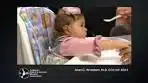
Introduction to Pediatric Swallowing Disorders
Definition of Dysphagia in Children
Pediatric dysphagia refers to difficulties children experience in swallowing food or liquids safely and efficiently. It may involve troubles at any stage of swallowing, from getting food into the mouth to moving it through the throat and esophagus to the stomach. Feeding disorders often accompany swallowing problems and may include difficulty chewing or accepting food.
Stages of the Swallowing Process
Swallowing is a complex process consisting of four main phases:
- Oral Preparation and Oral Phase: Involves sucking, chewing, and moving food toward the back of the mouth.
- Pharyngeal Phase: Begins the swallow reflex, safely closing the airway to prevent aspiration.
- Esophageal Phase: Moves food from the throat through the esophagus into the stomach.
Disorders may affect one or more of these stages, leading to challenges such as choking, coughing, or incomplete swallowing.
Prevalence and Impact of Swallowing Disorders
Feeding and swallowing disorders affect approximately 25% of typically developing children and up to 80% of children with developmental disabilities. Challenges can lead to poor nutrition, dehydration, respiratory infections like pneumonia, and social difficulties related to eating. Early recognition and intervention are critical to supporting healthy growth and development.
Management of Pediatric Feeding and Swallowing
What Are Swallowing Disorders in Children?
What are swallowing disorders in children?
Swallowing disorders, known as pediatric dysphagia, involve difficulty managing food or liquids safely as they move from the mouth through the throat and esophagus to the stomach. These challenges may affect one or multiple Phases of swallowing.
Difference between feeding and swallowing disorders
Feeding disorders in children primarily involve problems with getting food or liquids into the mouth, chewing, and preparation for swallowing. Swallowing disorders focus on the ability to move food or drink efficiently and safely through the swallowing process.
Phases of swallowing affected in dysphagia
Swallowing has several phases:
- Oral Phase: involves sucking, chewing, and moving food to the back of the mouth.
- Pharyngeal Phase: starts the swallowing reflex and protects the airway.
- Esophageal Phase: moves food down the esophagus to the stomach. Problems in any of these stages may result in swallowing difficulties.
Common signs and symptoms in children
Children with swallowing disorders often exhibit symptoms like coughing, choking, gagging, drooling, refusal to eat or drink, slow or prolonged eating times, difficulty chewing, and sometimes a gurgly or hoarse voice. Other signs may include arching or stiffening during feeding, nasal regurgitation, and poor weight gain.
Recognizing these signs early allows for timely assessment and support, improving safety and nutrition for the child.
Causes and Risk Factors of Pediatric Dysphagia
Neurological conditions causing dysphagia
Pediatric dysphagia often arises from neurological issues like cerebral palsy, brain injury, stroke, muscular dystrophy, and other neuromuscular diseases. These conditions affect the child’s ability to coordinate the muscles necessary for safe swallowing, increasing risks of choking and aspiration. For more information, see Neurological causes of feeding disorders.
Anatomical and structural abnormalities
Structural causes include congenital anomalies such as cleft lip and palate feeding issues, craniofacial malformations, large tonsils, esophageal strictures, and tumors. These abnormalities can physically block or impair the passage of food and liquids, leading to swallowing difficulties. Learn more about Cleft lip and palate feeding issues.
Prematurity and developmental delays
Premature infants frequently face early challenges with coordinating sucking, swallowing, and breathing. Developmental delays can also contribute by affecting muscle tone and coordination needed for feeding, prolonging the onset of independent feeding skills. See Prematurity and feeding challenges for more details.
Medical and sensory factors
Medical conditions such as gastroesophageal reflux disease (GERD), respiratory issues like asthma, cardiac disease, and effects of medications may contribute to dysphagia. Sensory processing disorders and behavioral challenges can also result in feeding aversions or difficulties, further complicating swallowing safety and efficiency. Additional information is available at Causes of feeding and swallowing disorders.
Understanding these diverse factors highlights the importance of comprehensive assessment and individualized management strategies for children with dysphagia to ensure safe, adequate nutrition and hydration. See also Pediatric Dysphagia for further guidance.
Diagnostic Techniques for Identifying Swallowing Disorders
Role of Medical History and Clinical Observation
Accurate diagnosis of pediatric swallowing disorders begins with a comprehensive review of the child’s medical history and careful clinical observation. Speech-language pathologists (SLPs) and medical professionals gather detailed information about feeding behaviors, growth patterns, and any prior medical conditions such as prematurity, neurological disorders, or anatomical anomalies. Observation during feeding evaluates oral motor skills, swallowing safety, signs of distress like coughing or choking, and overall tolerance to various food and liquid textures.
Instrumental Assessments: VFSS and FEES
When clinical evaluations indicate potential swallowing difficulties, instrumental assessments provide invaluable objective data. The Video Fluoroscopic Swallow Study (VFSS)—also known as a modified barium swallow—uses dynamic X-ray imaging with barium-laced foods to visualize the oral, pharyngeal, and esophageal stages of swallowing. It helps detect aspiration risks and identifies specific phase impairments.
Fiberoptic Endoscopic Evaluation of Swallowing (FEES) involves passing a small camera through the nasal passage to observe the throat and larynx during swallowing. Unlike VFSS, FEES does not use radiation, allowing for direct visualization of the swallow and airway protection mechanisms. Both VFSS and FEES require a physician’s referral and trained specialists for safe and accurate administration.
Collaboration Among Specialists in Diagnosis
Effective diagnosis relies on a multidisciplinary team that may include SLPs, pediatricians, gastroenterologists, otolaryngologists, nutritionists, and occupational therapists. These experts work together to interpret findings from history, clinical evaluations, and instrumental tests, ensuring a holistic understanding of the child’s swallowing function and associated risks. This collaborative approach informs individualized treatment planning that addresses medical, nutritional, and developmental needs for optimal feeding and swallowing outcomes.
Treatment Modalities and Therapeutic Interventions
Role of Speech-Language Pathologists (SLPs)
Speech-language pathologists (SLPs) are central to diagnosing and managing feeding disorders in children and swallowing disorders and dysphagia. They perform comprehensive clinical evaluations, including oral motor and sensory assessments, and often coordinate with a multidisciplinary treatment team comprising occupational therapists, dietitians, and pediatricians. SLPs develop individualized treatment for feeding and swallowing disorders plans to improve swallowing safety, muscle strength, and coordination, while also addressing sensory processing challenges and feeding behaviors. Their work includes parent and caregiver involvement in treatment, ensuring consistent support during feeding times.
Feeding and Swallowing Therapy Techniques
Therapy interventions by SLPs focus on strengthening oral muscles, enhancing tongue mobility, and improving chew and swallow coordination. Techniques also involve sensory desensitization to increase acceptance of new foods and textures, behavioral strategies to encourage positive mealtime experiences, and tailored exercises to facilitate safe swallowing. Food play and exploration, as well as strategies like food chaining, are employed to broaden dietary variety gently. These approaches are integral parts of comprehensive feeding and swallowing therapy.
Medical and Surgical Interventions
Medical treatments address underlying conditions such as gastroesophageal reflux disease (GERD) or anatomical abnormalities like cleft palate. Surgical procedures, including adenoidectomy or esophageal dilation, may be necessary in more severe cases. Diagnostic tools such as videofluoroscopic swallow studies (VFSS) or fiberoptic endoscopic evaluation of swallowing (FEES) guide the decision-making for interventions. Nutritional support through feeding tubes in children is considered when oral intake is insufficient or unsafe.
Modifications in Diet and Feeding Positions
Modifying food and liquid textures is a common and effective approach to improve swallowing safety and efficiency. Thickening liquids or pureeing foods can reduce the risk of aspiration. Feeding positions are adjusted to support airway protection and effective swallowing, often involving upright postures and head alignment techniques. Consistent environmental and positional adjustments are critical components of therapy and are actively taught to families and caregivers to promote successful feeding and swallowing therapy outcomes.
The Role of Families and Caregivers in Managing Dysphagia
Caregiver Involvement in Therapy and Feeding
Families and caregivers play an essential role in the management of pediatric dysphagia. They support treatment by sharing detailed information about the child’s feeding behaviors and health history with the speech-language pathologist (SLP). Their active participation during therapy sessions helps reinforce the skills being taught and ensures that feeding strategies are applied correctly.
Education and Training for Parents
Parents receive education and training to understand the child’s specific swallowing challenges and safe feeding techniques. This training often includes guidance on modifying food textures and liquids, positioning during meals, and recognizing signs of aspiration or distress. Empowering caregivers with knowledge ensures safe and effective feeding practices at home.
Consistency Across Therapy and Home Environments
Consistency in approaches between clinical therapy and home or school settings is vital for successful feeding outcomes. Caregivers are encouraged to implement recommended strategies consistently to promote skill generalization and minimize feeding difficulties. Coordination with teachers and other caregivers ensures a supportive environment across all settings, enhancing the child’s progress and wellbeing.
Pediatric Communication Solutions: Specialized Care for Swallowing Disorders
What services does Pediatric Communication Solutions offer?
Pediatric Communication Solutions provides a broad range of pediatric speech-language therapy services to support children’s communication, language, feeding, and swallowing needs. Their offerings include evaluation and treatment for speech sound delays, language disorders, apraxia of speech, as well as feeding disorders in children and swallowing disorders and dysphagia. Services are personalized and may include in-home assessments, clinic visits, school-based therapy, and telehealth sessions to accommodate family needs.
Who provides the therapy and services at Pediatric Communication Solutions?
All therapy and diagnostic services are delivered by licensed and certified speech-language pathologists (SLPs). These professionals specialize in pediatric communication and swallowing disorders in children and use evidence-based strategies. They collaborate with pediatricians, occupational therapists, dietitians, and other medical specialists to ensure comprehensive and multidisciplinary care.
How does Pediatric Communication Solutions tailor care to individual children?
Care plans at Pediatric Communication Solutions are individualized following thorough assessments of the child’s communication and feeding and swallowing disorders in children. The SLPs engage families and educators in care planning by developing individualized education programs (IEPs), individualized family service plans (IFSPs), or Section 504 plans when appropriate. This parent and caregiver involvement in treatment collaborative, family-centered approach ensures interventions are aligned with each child’s unique needs and developmental goals.
What makes Pediatric Communication Solutions specialized in pediatric speech-language therapy?
The practice exclusively focuses on children, addressing a full range of speech, language, feeding, and swallowing challenges with tailored evaluations and therapy. Their team’s focused expertise in pediatric disorders, combined with coordinated work alongside medical providers and early intervention programs, allows timely, effective, and goal-oriented treatment. Comprehensive evaluations cover receptive and expressive language, speech production, fluency, voice, resonance, and social communication, highlighting their specialization and commitment to pediatric care.
Summary and the Importance of Early Intervention
Understanding Causes and Treatments
Feeding and swallowing disorders in children, known as dysphagia, can stem from a variety of causes, including neurological conditions like cerebral palsy, prematurity, anatomical abnormalities such as cleft palate, reflux, respiratory issues, and sensory or behavioral challenges. Treatments are diverse, ranging from medical management and therapy by speech-language pathologists to dietary modifications, feeding position adjustments, and, in severe cases, alternative nutrition like feeding tubes.
Multidisciplinary and Individualized Care
Effective management relies on a multidisciplinary team approach involving speech-language pathologists, occupational therapists, pediatricians, dietitians, and other specialists. Treatment plans are tailored to each child’s unique needs, considering their medical history, developmental status, and family context to optimize swallowing safety and nutritional health.
Early Diagnosis and Family Involvement
Prompt identification through clinical evaluation and specialized tests such as videofluoroscopic swallow studies enables timely intervention, improving outcomes. Family participation is vital; caregivers provide essential information and support therapy strategies at home, ensuring consistency and fostering a positive feeding environment that promotes development and well-being.